This content was prepared by the Turan Turan Editorial Board and medically approved by Op. Dr. Kayhan Turan.
Op. Dr. Kayhan Turan — Orthopedics and Traumatology Specialist | Founder & President of ROCD | Faculty Member at Istanbul Atlas University
This article was prepared by the Turan & Turan Editorial Board and medically reviewed by Dr. Kayhan Turan, MD, Orthopedic Surgeon & Traumatology Specialist, Founding President of the Robotic Orthopedic Surgery Association (ROCD), and Faculty Member at Istanbul Atlas University.
About the Author
Dr. Kayhan Turan, MD, is a board-certified orthopedic surgeon and a leading specialist in robotic knee and hip replacement surgery in Türkiye. He has advanced expertise in arthroscopic joint procedures and regenerative orthopedics and is the founding president of ROCD (Robotic Orthopedic Surgery Association of Turkey). He was among the first surgeons in the country to introduce robotic knee replacement surgery into clinical practice.
Dr. Turan serves as a faculty member in the Department of Orthopedics & Traumatology at Istanbul Atlas University and is the Medical Director of Turan & Turan Health Group, with clinics in Istanbul and Bursa, Türkiye. He performs surgery on both domestic and international patients, providing personalized surgical plans and multilingual pre- and post-operative support.
📩 Not sure if knee replacement is right for you? Request an online second opinion.
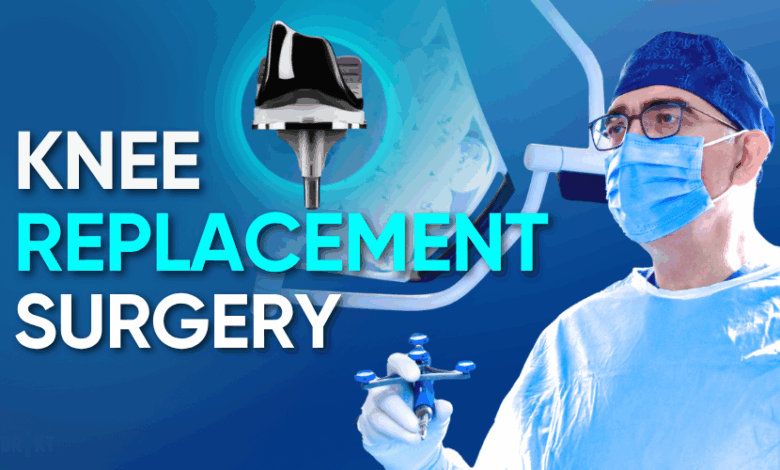
Knee Replacement Surgery: Total, Partial, and Robotic Methods — Complete Guide
Years of knee pain. Avoiding stairs. Difficulty walking comfortably at home. Most patients considering knee replacement surgery have waited and endured for too long.
Knee replacement surgery is not a last resort. When non-surgical treatments no longer control advanced knee osteoarthritis, it offers the most reliable path to lasting pain relief and a return to an active life.
This guide covers the types of knee replacement surgery, differences between robotic and traditional methods, pre-operative preparation, the recovery timeline, and guidance for international patients considering treatment in Turkey.
Table of Contents
- What Is Knee Replacement Surgery?
- Who Needs Knee Replacement Surgery?
- Types of Knee Replacement Surgery
- Traditional vs. Robotic Knee Replacement
- Pre-Operative Preparation
- How Is Knee Replacement Surgery Performed?
- Knee Replacement Recovery Timeline
- What to Do After Knee Replacement Surgery
- Nutrition After Knee Replacement
- For International Patients: Knee Replacement Surgery in Turkey
- Knee Replacement Surgery Cost
- Frequently Asked Questions
- What I wish I knew before knee replacement surgery
- Conclusion
What Is Knee Replacement Surgery?
Knee replacement surgery, medically known as knee arthroplasty, replaces worn or damaged joint surfaces with metal alloy and polyethylene implants. It is performed when advanced knee osteoarthritis or severe joint damage makes non-surgical treatments insufficient to control pain and restore function. The goal is to eliminate chronic pain and restore mobility.
Knee replacement is one of the most thoroughly studied elective procedures in medicine, with decades of clinical data confirming its safety and effectiveness. More than 700,000 total knee replacements are performed in the United States alone each year, and outcomes consistently show significant pain reduction and improved quality of life in more than 90% of patients.
Who Needs Knee Replacement Surgery?
Knee replacement surgery is recommended when knee arthritis significantly restricts daily life and conservative treatments have failed to provide lasting relief. Age is not the deciding factor; quality of life is.
You may be a candidate if you experience:
- A significant reduction in how far you can walk
- Knee pain that persists even at rest
- Pain that wakes you from sleep at night
- Severe pain that limits walking, squatting, or climbing stairs
- Ongoing pain despite medication, physical therapy, exercise, weight management, and injections
- Advanced joint deformity (bow-legs or knock-knees)
- Advanced joint damage from rheumatoid arthritis, fracture, ligament injury, or septic arthritis
Important: The decision to proceed is always made together with the patient, based on pain severity and functional limitation, not imaging findings alone.
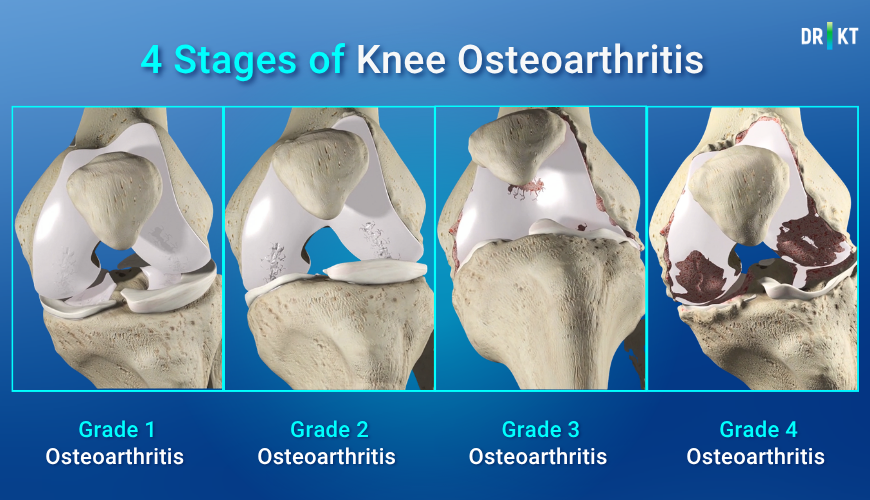
Types of Knee Replacement Surgery
Modern orthopedics has moved far beyond a one-size-fits-all approach. The recommended procedure depends on the location of the damage, the patient’s anatomy, and the condition of the ligaments. At Turan & Turan Health Group, every treatment plan is individualized.
Total Knee Replacement Surgery
The knee joint has three compartments: medial (inner), lateral (outer), and patellofemoral (kneecap). When advanced arthritis affects all three, a total knee replacement (TKR) is performed. All damaged joint surfaces are removed and replaced with a precision-fitted metal-and-plastic implant system.
Total knee replacement is the most common type globally. Long-term registry data show that more than 90% of total knee replacements remain functional at 15 years.
Partial Knee Replacement Surgery (Unicompartmental)
Partial knee replacement is used when arthritis is limited to a single compartment, most often the inner (medial) side. Preserving healthy bone, cartilage, and ligaments offers several advantages over total knee replacement:
- Less blood loss during surgery
- Faster recovery period
- More natural knee feel post-surgery
- Many patients are discharged the same day
Most patients return to walking and light activities like gardening within 3 months.
Revision Knee Replacement Surgery
A knee replacement implant typically lasts 15–20 years. If an implant fails due to wear, infection, loosening, fracture, or metal sensitivity, revision surgery is required. Although technically more complex than the primary procedure, it effectively restores joint function and pain-free living.
Patients who develop reactions to cobalt, chromium, or nickel implants may benefit from
OXINUM/zirconium oxide alloy implants such as the Journey II series. These materials exhibit
minimal metal-ion release and are specifically designed for metal-sensitive patients.
Robotic Knee Replacement Surgery
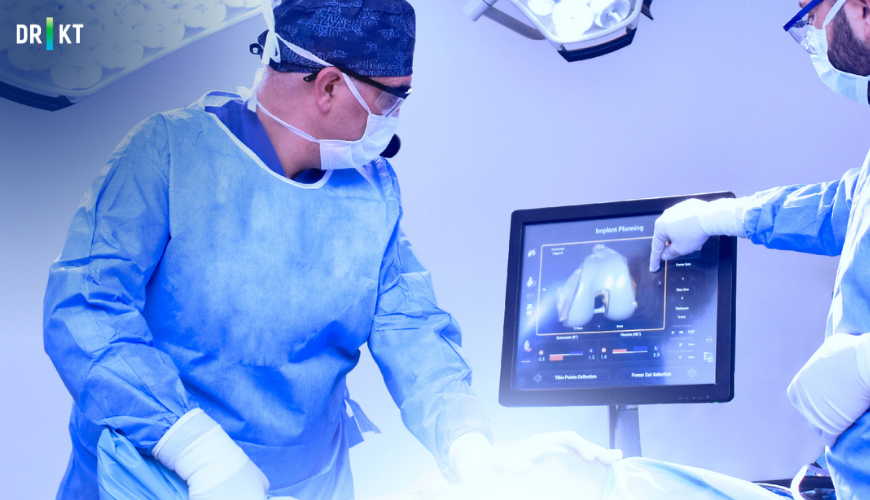
Robotic knee replacement is the most advanced approach for total, partial, or revision surgery available today. Before or during surgery, a precise 3D digital map of your knee is created. The robotic system then guides bone cuts to millimetric accuracy, following a plan designed entirely by your surgeon.
It serves as a guidance tool to reduce human error in bone cutting and ensures the implant is positioned in precise alignment with your anatomy. The surgeon is in control at every step.
Clinical benefits:
- Millimetric implant positioning matched to the patient’s anatomy
- Less damage to surrounding soft tissue
- Longer implant lifespan through optimal alignment
- Lower long-term risk of revision surgery
Dr. Kayhan Turan is among Türkiye’s pioneering surgeons in robotic knee replacement and has performed this procedure as ROCD founding president since the technology’s early adoption in Turkey.
Traditional vs. Robotic Knee Replacement
Pre-Operative Preparation
Preparation before surgery directly affects both surgical outcomes and recovery. General steps include:
- Medications: Discontinue blood thinners and certain supplements as directed by your surgeon
- Chronic conditions: Keep diabetes, hypertension, and anemia well-controlled. Treat any active dental infections before surgery
- Weight management: Even modest weight loss improves recovery and extends implant lifespan
- Lifestyle: Stop smoking and limit alcohol for at least 2 weeks before surgery
- Home safety: Install grab bars in the bathroom, use non-slip mats, and remove door threshold hazards
Each patient’s pre-operative checklist is unique. Your surgical team will provide a personalized plan.
For a detailed step-by-step checklist: Knee Replacement Pre-Operative Preparation Guide
How Is Knee Replacement Surgery Performed?
The procedure is performed under general anesthesia (fully asleep) or spinal anesthesia (lower body numbed, patient remains conscious). The anesthesiologist selects the safest option based on your overall health.
During the surgery:
- Damaged cartilage and bone are removed with precision
- In robotic cases, a real-time 3D digital model of the knee is built to enhance planning accuracy during the procedure
- The correct implant size and positioning are determined from this data
- Metal alloy and polyethylene implants replace the damaged surfaces
- The robotic system guides the surgeon throughout the procedure, minimizing deviation from the surgical plan
- A single knee takes approximately 45–60 minutes. Both knees in the same session: 1.5–2 hours
- After surgery, the patient moves to recovery, and pain management begins immediately
Implant materials:
Knee Replacement Recovery Timeline
Recovery time largely depends on the patient’s adherence to postoperative care and rehabilitation. The table below is a general framework — your surgeon will provide a personalized timeline.
Most patients are functionally independent within 4–6 weeks. The best functional outcome is reached at 3–6 months; complete healing can take up to a year.
What to Do After Knee Replacement Surgery
Post-operative care is as important as the surgery itself. Consistently following your protocol is the single most important driver of a good outcome.
Post-op checklist:
- Make your home safe before surgery: grab bars, non-slip floors, clear thresholds
- Take prescribed pain relievers and blood thinners exactly as directed — do not skip doses
- Use a walker or crutches until you can walk safely without support
- Commit fully to physical therapy; this is the single most critical step
- Elevate your leg several times per day; apply cold compresses for 20 minutes at a time
- Keep the wound site dry and clean
- Stop smoking and minimize alcohol
- Eat a nutritious, protein-rich diet
- Contact your doctor immediately if you develop a fever, increased swelling, excessive pain, or wound discharge
Top 5 mistakes to avoid after knee replacement:
- Skipping or shortcutting physical therapy
- Returning to high-impact activity too soon
- Ignoring early signs of infection
- Not taking blood thinners as prescribed
- Overdoing activity without physician clearance
Common post-operative concerns:
Nutrition After Knee Replacement
Targeted nutrition after knee replacement surgery can significantly accelerate healing and reduce inflammation.
Do not change your Vitamin K intake without consulting your doctor first, as it can disrupt your anticoagulation balance.
For International Patients: Knee Replacement Surgery in Turkey
Türkiye has become one of the world’s leading destinations for orthopedic surgery — combining internationally trained surgeons, advanced robotic technology, and significantly lower costs compared to Western Europe, the US, and the UK, without compromising on quality or standards.
Dr. Kayhan Turan regularly receives patients from Europe, the Middle East, Central Asia, and beyond who choose to undergo knee replacement surgery in Türkiye specifically for his expertise in robotic surgery and the personalized care model at Turan & Turan Health Group.
Why International Patients Choose Turkey for Knee Replacement
- Cost: Knee replacement surgery in Turkey is typically 50–70% less expensive than equivalent procedures in the UK, Germany, or the United States, including implant, hospital stay, and surgical team fees
- No waiting lists: In many countries, patients wait 6–18 months for a knee replacement through public health systems. In Türkiye, surgery can be scheduled within weeks
- Robotic technology: The same robotic systems used at top US and European centers are available in Türkiye and are operated by surgeons with equivalent or greater hands-on experience
- Multilingual support: Dr. Kayhan Turan’s team provides communication and coordination support in multiple languages for international patients
- Destination care: Istanbul and Bursa are well-connected international hubs, with direct flights from most European, Middle Eastern, and Central Asian cities
How Long Do I Need to Stay in Turkey?
This is the most common question from international patients considering surgery abroad. The table below provides general guidance — your surgical team will confirm based on your individual case.
After discharge, patients typically rest locally for a few days before flying home. Post-operative follow-up can be conducted remotely via video consultation, with your local physiotherapist receiving the rehabilitation protocol from Dr. Kayhan Turan’s team.
What the International Patient Journey Looks Like
Not sure if your case is suitable for surgery — or for traveling? Get a second opinion from Dr. Kayhan Turan online → No travel required. No commitment. Just clarity.
Knee Replacement Surgery Cost
Knee replacement surgery cost varies based on surgical method, implant type, hospital, and individual health profile.
Factors that affect cost:
- Surgical method: Robotic surgery has a different price point than traditional surgery
- Implant type: Premium implants (Journey II / OXINUM series) are priced higher than standard options
- One or both knees: Bilateral knee replacement in the same session can be more cost-effective overall
- Hospital and room choice: Private room and hospital category affect the total
- Patient health complexity: Additional conditions or required tests may increase costs
For international patients: Turan & Turan Health Group provides transparent, all-inclusive pricing. Contact the clinic for a personalized quote based on your specific case.
Frequently Asked Questions
How long does a knee replacement last?
Modern knee implants typically last 15–20 years. Lifespan depends on the patient’s age, weight, activity level, and surgical technique. Last-generation designs, such as the Journey II series, are engineered for durability beyond 20 years.
How long does knee replacement surgery take?
A single knee replacement takes approximately 45–60 minutes. Both knees in the same session take 1.5–2 hours. Robotic surgery adds planning time, but overall duration is similar and offers significantly higher precision.
How long to recover from knee replacement?
Most patients are discharged within 3–5 days. Independent indoor walking typically begins at 2–4 weeks. Driving and return to most activities occur at 4–6 weeks with physician clearance. The best functional outcome is reached between 3–6 months; full healing can take up to one year.
When can you drive after a knee replacement?
Most patients can drive 4–6 weeks after surgery, once physician clearance is given. This depends on which leg was operated on, pain levels, and recovery of reflexes.
Can you kneel after a knee replacement?
Kneeling is possible for many patients, though it may feel uncomfortable. There is no structural reason to avoid it, but always discuss your specific implant and case with your surgeon.
Can you run after a knee replacement?
High-impact running is generally not recommended as it accelerates implant wear. Walking, cycling, swimming, and golf are preferred low-impact activities. Consult your surgeon before resuming sports.
What is a partial knee replacement?
A partial knee replacement (unicompartmental replacement) replaces only the damaged section of the knee rather than the entire joint. It is suitable when arthritis is confined to one area. Recovery is faster than with total knee replacement, and many patients report a more natural knee feel.
What is the difference between robotic and traditional knee replacement?
In traditional surgery, bone cuts are made based entirely on the surgeon’s skill and manual instruments. In robotic surgery, a 3D digital plan is created, and the robotic system guides bone cuts to millimetric accuracy. The result is more precise implant alignment, less soft tissue damage, and a lower long-term revision risk.
Can both knees be replaced at the same time?
Yes. Bilateral knee replacement in the same session is possible when both knees have advanced arthritis. It shortens the total recovery time and requires only one anesthesia session. The decision is based on your overall health, cardiac, and pulmonary capacity.
Why is there so much pain after knee replacement?
Pain in the first weeks is normal and expected as the body heals from major surgery. It is managed with medication and cold therapy and significantly decreases by 6–8 weeks. If pain worsens or is accompanied by fever and swelling, contact your surgeon promptly.
How do you know if you need a knee replacement?
Key signs include constant or night-time knee pain, inability to walk more than a short distance, failed conservative treatment (therapy, injections, medication), and significant joint deformity. The final decision is always made with your orthopedic surgeon based on your symptoms and quality of life, not imaging alone.
Can international patients have knee replacement surgery in Turkey with Dr. Kayhan Turan?
Yes. Dr. Turan routinely treats international patients from Europe, the Middle East, and Central Asia. The process begins with an online second opinion: you submit your imaging and symptoms remotely and receive an expert recommendation without traveling. If you decide to proceed, the team coordinates the entire patient journey from pre-op to remote post-op follow-up.
What I wish I knew before knee replacement surgery
Patients who have had knee replacement consistently share the same insights:
- Physical therapy is the single most important factor in recovery — nothing replaces it
- The first 6 weeks are the hardest, but they are temporary
- Pain is manageable — do not let fear of pain delay your decision
- Milestones come faster than expected when you follow your rehabilitation plan
- Most patients say they wish they had not waited as long as they did
Request your second opinion from Dr. Kayhan Turan → Submit your MRI/X-rays and symptoms. Receive an expert recommendation with no travel required and no obligation.
Conclusion
Knee replacement surgery is not the end of a long wait; it can be the beginning of a more comfortable, active life. Making the right decision at the right time, with the right surgeon, is the most important factor in your outcome.
Whether you are a local patient in Türkiye or coming from abroad, Dr. Kayhan Turan and the Turan & Turan Health Group team are available to assess your situation and guide you through every step.
⚠️ Legal Disclaimer: This content is for informational purposes only; it does not replace diagnosis and treatment. Please consult your physician for an evaluation of your health status.